


Introduction
When I first started blogging, I thought the hardest part was writing content.
I was wrong.
The real problem was something I didn’t even understand at the beginning — keyword research.
I used to randomly pick topics and hope Google would somehow send traffic. I thought if I just wrote “good content,” people would automatically find it.
That didn’t happen.
I wrote multiple blog posts, spent hours editing them, and published them with excitement. Then I waited.
Nothing.
No traffic. No clicks. No impressions.
At that time, I didn’t understand that blogging is not just about writing — it’s about writing for the right keywords.
And that’s when everything changed.
I discovered something very simple but powerful:
👉 Low competition keywords exist everywhere — most people just don’t know how to find them.
And in this blog, I’m going to show you exactly how I find them in a very simple, beginner-friendly way.
No paid tools. No complicated SEO software. Just real methods that actually work.

What Are Low Competition Keywords?
Before anything else, let’s understand the basics.
Low competition keywords are search terms that:
- People are actively searching for
- But very few websites are targeting properly
- Or existing content is weak, outdated, or incomplete
That means you have a real chance to rank even if your website is new.
For example:
❌ High competition keyword:
- SEO
- Blogging
- Make money online
These are dominated by big websites like HubSpot, Neil Patel, Wikipedia, etc.
Even if your content is good, it will struggle to rank.
But now look at this:
✔ Low competition keywords:
- how to start blogging without money
- why my blog is not ranking on Google
- how to write SEO blog posts for beginners
- best free tools for keyword research beginners
These are:
- specific
- easier to target
- less competitive
- more realistic for beginners
And this is where beginners actually win.
Why Low Competition Keywords Matter So Much
When I started, I ignored this completely.
I thought:
“I just need to write good content, that’s enough.”
But SEO doesn’t work like that.
Even the best content needs visibility.
Here’s why low competition keywords are powerful:
1. Easier to Rank on Google
If you are new, you don’t have authority or backlinks.
So targeting high competition keywords is like trying to compete with huge websites on day one.
Low competition keywords give you:
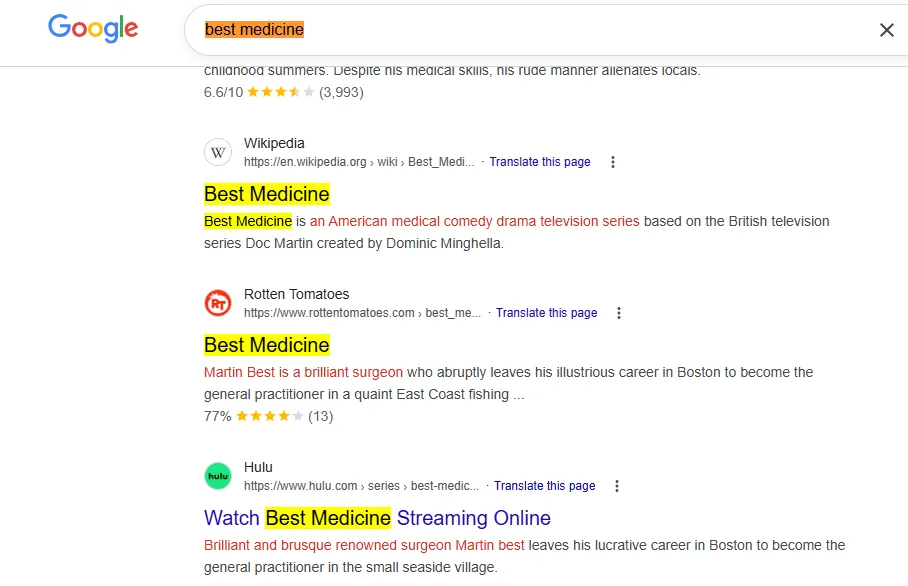
👉 a real chance to appear on Google search results
2. Faster Traffic Results
Instead of waiting months or years, you can start seeing impressions within weeks if you choose the right keyword.
3. Perfect for Beginners
You don’t need:
- expensive tools
- SEO experience
- backlinks
Just the right keyword strategy.
4. Builds Website Authority Slowly
When you rank for small keywords first, Google starts trusting your website more over time.
My Biggest Keyword Research Mistake
Let me be honest.
When I started blogging, I made a classic beginner mistake.
I picked topics based on:
- what sounded popular
- what I thought people would search
- what other big blogs were writing
So I wrote about things like:
- SEO
- blogging tips
- online earning
And guess what?
Nothing ranked.
Why?
Because I was competing in the wrong battlefield.
It’s like opening a small shop and trying to compete with Amazon on day one.
That’s when I realized:
👉 I was ignoring low competition keywords completely.
If your content is getting traffic but no customers, read this guide:
👉 Why Content Gets Traffic But No Customers (And How to Fix It)
The Exact Method I Use to Find Low Competition Keywords
Now let’s get into the real part.
This is the exact step-by-step method I use today.
Step 1: Start With a Broad Topic
I never start with keywords.
I start with simple topics like:
- blogging
- SEO
- fitness
- Instagram growth
- online earning
Just general ideas.
Then I go deeper.
Step 2: Use Google Autocomplete
This is one of the easiest methods.
I type something like:
how to start blogging
And Google automatically shows suggestions like:
- how to start blogging without money
- how to start blogging and make money
- how to start blogging for beginners step by step
These suggestions are based on real searches.
So each one is a potential keyword.
Step 3: Use “People Also Ask”
This section is gold.

Google literally shows questions people are asking like:
- why is my blog not getting traffic
- how long does SEO take to work
- how do I rank my blog faster
Each question = a blog post idea.
Most beginners completely ignore this section.
That’s a mistake.
Step 4: Check Related Searches
At the bottom of Google search results, you will see related searches like:
- blogging tips for beginners
- how to get traffic to blog
- SEO for beginners guide
These are hidden keyword ideas.
Step 5: Use YouTube Suggestions
YouTube is underrated for keyword research.

When you type:
how to blog
You will see suggestions like:
- how to start blogging in 2026
- how to make money blogging
- blogging mistakes beginners make
These are based on real user behavior.
Step 6: Manual Competition Check
This is very important.
After finding a keyword, I check Google results manually.
I ask:
- Are top results weak or outdated?
- Are articles poorly written?
- Is content incomplete?
If yes → I consider it a low competition keyword.
If no → I skip it.
Real Example From My Experience
I once found a keyword that looked simple:
👉 “why my blog is not ranking on Google”
At first, it didn’t look special.
But when I checked Google:
- Most articles were generic
- No real beginner explanation
- No personal experience content
So I wrote a detailed, human-style blog about it.
After a few weeks:
👉 It started getting impressions
Not huge traffic at first, but consistent growth.
That’s when I understood:
👉 SEO is about finding gaps, not chasing popularity
Simple Formula I Use Now
After testing many methods, I simplified everything into one formula:
👉 Problem + Beginner + Specific = Low Competition Keyword
Examples:
- how to start blogging without money
- why blog is not ranking on Google
- how to write SEO blog posts for beginners
- best free keyword research tools
This formula works because:
- it targets real problems
- it focuses on beginners
- it avoids broad competition
Why This Method Works So Well
Most people overcomplicate SEO.
They:
- buy expensive tools
- check keyword difficulty scores
- follow advanced SEO advice too early
But Google already shows everything:
- search suggestions
- related searches
- real questions
You don’t need to guess.
You just need to observe.
Common Mistakes Beginners Make
Here are mistakes I made (and most beginners still make):

1. Targeting Broad Keywords
Trying to rank for “SEO” or “blogging” is a waste of time early on.
2. Ignoring Search Intent
Even if a keyword has traffic, if you don’t match what users want, it won’t rank.
3. Not Checking Competition Manually
Tools don’t always tell the full truth — manual checking is important.
4. Writing Without Keyword Strategy
Good content without keyword targeting = wasted effort.
Final Thoughts
Finding low competition keywords is not about tools or tricks.
It is about:
👉 understanding what people are searching
👉 finding gaps in existing content
👉 and creating better, clearer answers
Once I understood this, blogging stopped feeling random.
It became a system.
Not instant success… but steady progress.
And that’s what actually matters in SEO.
If you are just starting, don’t overthink it.
Start small. Pick easy keywords. Build slowly.
Because every big blog you see today once started with small, low competition keywords too.
If you want to learn how to get your first 100 visitors, read this guide:
👉 How to Get Your First 100 Visitors to Your Blog (Beginner Guide)
📌FAQ – Low Competition Keywords
❓ What are low competition keywords?
They are search terms with fewer competing websites, making them easier to rank.
❓ How do I find them for free?
Use Google autocomplete, People Also Ask, related searches, and YouTube suggestions.
❓ Can beginners rank with them?
Yes, beginners have a strong chance if content is good.
❓ Do I need paid tools?
No, free methods are enough to start.
❓ How many times should I use keywords?
Around 3–8 times naturally is ideal.