

When I first started blogging, I thought just writing good content is enough.
For around 2 months, I kept writing consistently and published about 15 articles. But my traffic? Not even 10 visitors per day.
No matter how much I tried, nothing changed.
That’s when I understood one important thing beginners usually miss:
Content alone will not bring traffic. SEO brings traffic.
In this blog, I’m going to explain what SEO is and how it works in a very simple way, so you can use it for your own content.
If you are a beginner and feel confused about SEO, this guide will help you understand it in a super easy way , without any technical jargon, just simple explanation like we talk normally 😊
Who This Guide Is For
This guide is for you if:
- You’ve started a blog but get little or no traffic
- You’ve heard about SEO but don’t understand it
- You want to get visitors from Google without paying for ads
If that sounds like you, you’re in the right place.
If you’re just starting and struggling to get readers, you might want to understand how to get initial traffic.
Read this guide:👉 First Blog Visitors (What Actually Worked for Me)
What Is SEO in Simple Words for Beginners?
SEO (Search Engine Optimization) means:
Making your content easy for Google to understand and show to people who are searching for it.
That’s it.
Let’s simplify it even more.
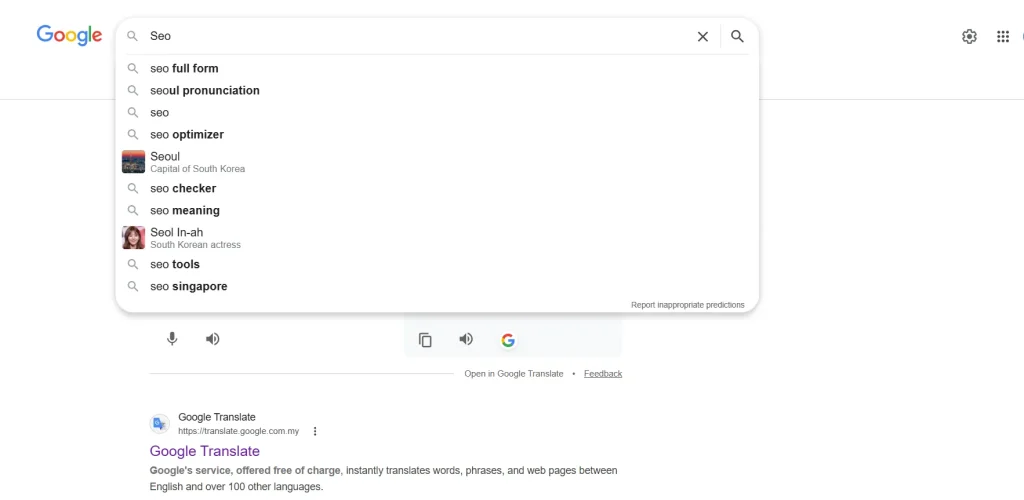
When someone types something into Google like:
- “how to lose weight”
- “best laptops under $1000”
- “how to start a blog”
Google’s job is to show the most helpful results.
SEO is how you make sure your content becomes one of those results.
A Simple Real-Life Example
Think of Google as a librarian.
- Millions of articles exist online
- Someone asks a question
- Google picks the best answers
If your article:
- Clearly answers the question
- Is easy to read
- Matches what people are searching
Then Google is more likely to show it.
Otherwise, even if your content is written very well, it will just get lost and no one will see it.
How SEO Actually Works (Step-by-Step)
Let’s break this into a practical process based on what actually matters.
Step 1: People Search for Something
Everything starts with a search.
These searches are called keywords.
Examples:
- “how to save money fast”
- “best phone under 500”
Mistake I made early:
I used to write topics like “My Thoughts on Productivity.”
No one searches that.
Step 2: Google Finds Content
Google scans websites to find pages that match the search.
It looks at:
- Title
- Headings
- Content relevance
- Structure
If your article clearly matches the search, it gets considered.
Step 3: Google Ranks the Results
Now comes competition.
Google chooses:
- Which content is most helpful
- Which is easiest to understand
- Which seems trustworthy
After that, they are ranked in order starting from #1.
Step 4: People Click Your Article
Even if you rank, you still need clicks.
Your title plays a very important role here.
Example:
Let’s say your keyword is: blog not getting traffic
A weak title:
- “Blog Tips”
A strong SEO title:
- “Why Your Blog Is Not Getting Traffic (And How to Fix It)”
Why it works:
- Matches what people search
- Clearly explains the benefit
- Feels specific and useful
Types of SEO (Keep It Simple)
You don’t need to learn everything at once. Focus on these three:
1. On-Page SEO
This is what you control inside your article:
- Using the right keywords naturally
- Writing clear headings
- Structuring content properly
This is where beginners should spend most of their time.
2. Off-Page SEO
This is about other websites linking to your content.
Think of it like recommendations.
The more quality sites link to you, the more Google trusts your content.
3. Technical SEO
This includes:
- Website speed
- Mobile-friendliness
- Clean structure
It is important , but not your main priority in the beginning.
Beginner Mistakes (I Made Most of These)
It can help you avoid months of trial and error.

1. Writing Without Keyword Research
I wrote whatever I felt like writing.
Result: No traffic.
If your website is not getting traffic yet, you might want to understand why.
Read this guide:👉 Why Your Website Is Not Getting Traffic (And How to Fix It Fast)
Fix:
Before you start writing, always check what people are searching for.
2. Ignoring Titles
My early titles were too vague.
Example:
- “Fitness Guide”
No one clicks that.
Fix:
Make titles:
- Clear
- Specific
- Benefit-driven
3. Keyword Stuffing
I used to think that if I repeat a keyword many times, it will help.
But it didn’t help.
Instead, my content started feeling unnatural and even became hard to read.
Fix:
Write naturally. Instead, use different variations of the same meaning.
4. Publishing and Forgetting
I never updated my old posts.
Even though some articles had good potential , I simply ignored them.
Fix:
Go back and improve:
- Add examples
- Improve clarity
- Update information
5. Focusing Only on Writing
This was my biggest mistake.
I believed:
“Good content will rank automatically.”
It doesn’t.
Good + optimized content ranks.
What I Would Do Differently Today
If I had to start over, I’d do this:
1. Start With Search Intent
Before writing, I would ask myself:
What is the reader actually searching for?
Then I would build the article around that question.
2. Keep Content Simple
Earlier I used to make things too complicated when writing.
Now I focus on:
- Clear explanations
- Simple language
- Real-life examples
Simple content performs better.
3. Focus on One Topic Per Article
Instead of trying to cover everything at once, I:
- Go deep and answer one question properly.
This improves ranking chances.
4. Update Content Faster
Instead of writing endless new posts, I’d:
- Improve existing ones
This gives quicker results.
5. Learn Basic SEO Early
I ignored SEO at the beginning.
That slowed my growth a lot.
Even basic SEO knowledge makes a huge difference.
Practical SEO Steps You Can Start Today
Let’s keep this actionable.
Step 1: Find a Keyword
Use free methods:
- Google autocomplete
- “People also ask” section
Example:
Type “how to lose weight” and look at suggestions.
Step 2: Study Top Results
Search your keyword and analyze:
- Titles
- Structure
- Content style
Ask:
“What are they doing well?”
Step 3: Create Better Content
Not long — but better.
Include:
- Clear steps
- Examples
- Simple explanations
Step 4: Optimize Basics
Make sure your article includes:
- Keyword in the title
- Keyword in the first paragraph
- Proper headings
Step 5: Improve Readability
Use:
- Short paragraphs
- Simple words
- Clean formatting
If it’s hard to read, people will quickly leave.
Step 6: Be Patient
SEO takes time.
For many new blogs, noticeable growth may take around 3–4 months, while more consistent traffic can take longer depending on your niche and consistency.
But once it starts working, it builds over time.
If you’re getting traffic but not seeing results, you might want to understand why.
Read this guide:👉Why Content Gets Traffic But No Customers (Real Reason Explained)
A Quick Reality Check
SEO is not:
- Instant results
- A shortcut
- A one-time effort
It’s a long-term strategy.
But it’s also one of the most reliable ways to get consistent, free traffic.

FAQ
What is SEO for beginners?
SEO means improving your content so search engines like Google can understand it and show it to people searching for that topic.
How long does SEO take to work?
SEO usually takes time. For many beginners, results can take weeks to several months depending on competition and content quality.
Can beginners do SEO without paid tools?
Yes. You can start using free methods like Google search suggestions and analyzing top-ranking pages.
Do I need technical skills to learn SEO?
No. Basic SEO focuses more on content, structure, and understanding search intent.
Is SEO better than social media for traffic?
SEO is slower but more consistent. Social media gives quick traffic, while SEO builds long-term results.
Final Thoughts
If you remember just one thing, remember this:
SEO is about helping people find your content.
Not tricking Google.
Not gaming the system.
Just:
- Understand what people are searching
- Create helpful content
- Make it easy for Google to understand
That’s how you grow.
Internal Link Ideas
- Beginner’s Guide to Keyword Research
- How to Write Blog Posts That Rank on Google
- On-Page SEO Checklist for Beginners