


The development of technology has made an impact on almost all spheres of human life, and education is not an exclusion. Today, the year 2026, the traditional concept of the classroom with a blackboard and paper textbooks is changing due to various technological tools and innovations that have revolutionized learning and teaching processes.
The following article discusses the influence of modern technology on education, the benefits, challenges, and prospects of the issue.
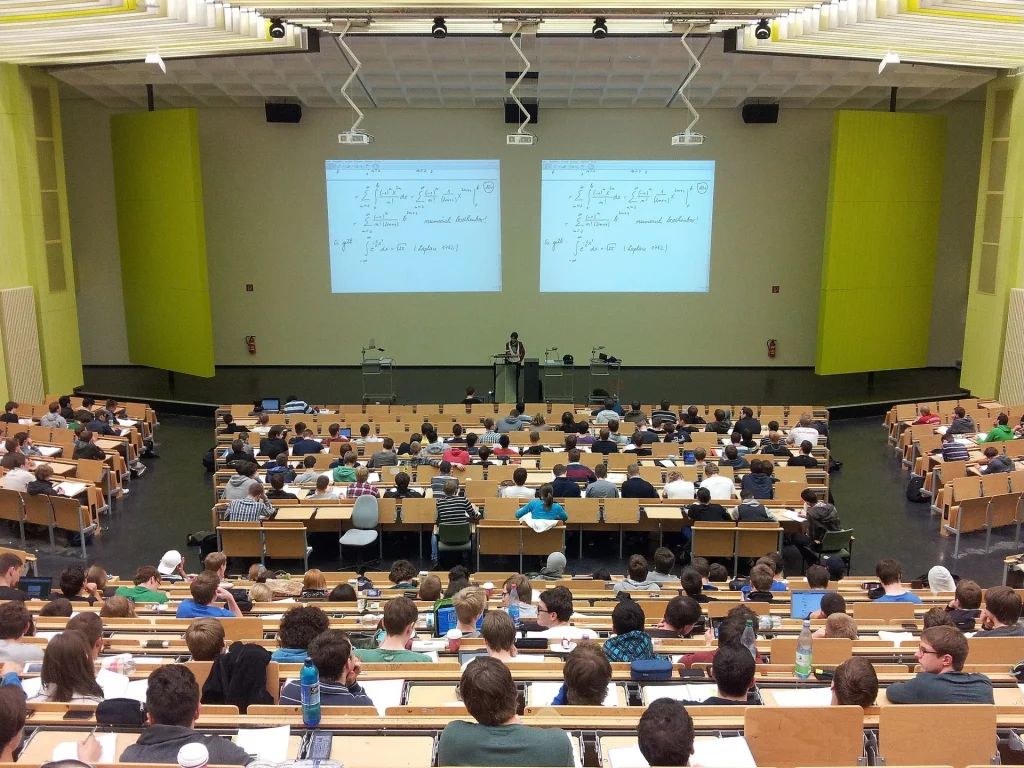
Technology in the Educational Process
The educational process has undergone a revolution. The traditional method of teaching is outdated and inefficient. Nowadays, technology has moved the educational process towards a learner-centered approach.
Traditional vs. Digital Learning Approaches
Traditionally, the classroom environment used:
- Textbooks in printed form
- Lectures conducted face-to-face
- Assignments done manually
Currently, digital learning comprises:
- Virtual classes
- Digital books and resources
- Interactive learning methods
Emergence of E-Learning Platforms
E-learning platforms have emerged as indispensable tools for learners globally. E-learning platforms enable learners to:
- Have access to courses any time
- Undertake self-paced learning
- Study different subject matters
Popular Technologies in Educational Field
Artificial Intelligence (AI)
Artificial intelligence has emerged as a significant technology in education through the following:
- Smart tutoring
- Automation of marking
- Recommendation system
Virtual Reality (VR) and Augmented Reality (AR)
The use of virtual reality and augmented reality ensures that users have immersive experiences. The examples include:
- Virtual tours
- Simulations in sciences
- History classes
Cloud Computing
There are cloud computing technologies that facilitate:
- File storage and accessibility
- Project collaboration
- Resource sharing
Mobile Learning
There are also mobile learning platforms that facilitate learning through smartphones and tablets. Users can:
- View lectures
- Do coursework
- Participate in discussions
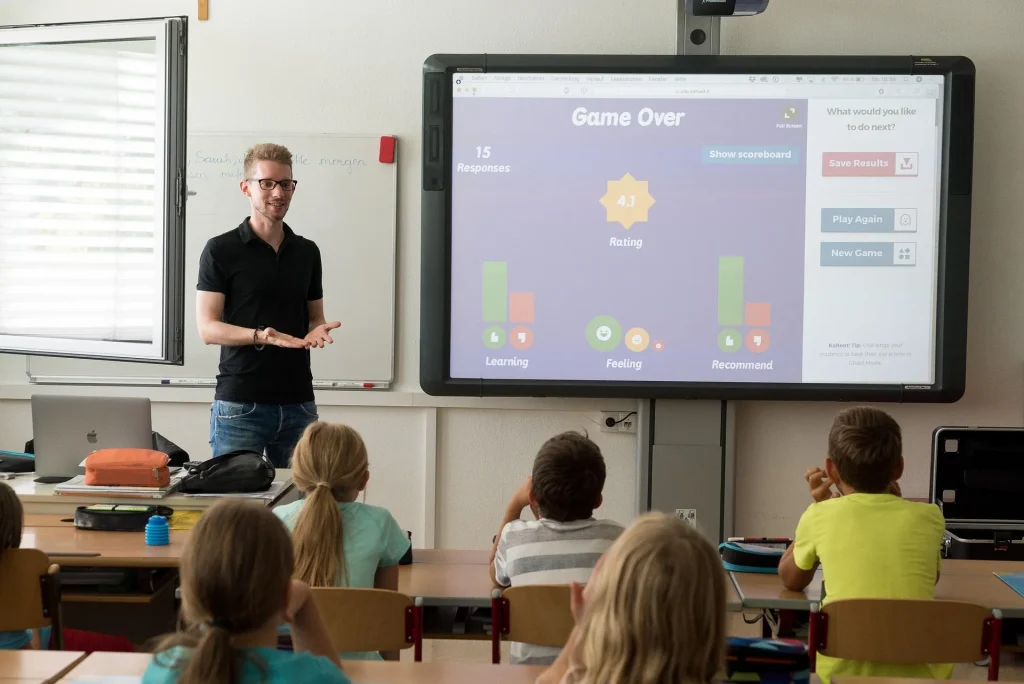
Problems Associated With Technology In The Education Sector
Digital Divide
Students do not have equal opportunities when it comes to accessing technology. Some students might be without:
- Internet connectivity
- Computers such as laptops and tablets
This leads to an unequal educational environment
Distractions
Technology could cause students to become distracted when studying. Social networking sites and games might divert attention away from studies.
Excessive Reliance On Technology
If students overuse technology, it might negatively impact their cognitive development.
Concerns Surrounding Data Privacy
The use of online platforms entails the provision of personal information, hence raising privacy concerns.
How Teachers and Students Can Harness Technology Properly
For Teachers
Teachers should:
Integrate technology as a tool to aid, not replace, teaching
Include interactive elements
Keep upgrading themselves in technology skills
For Students
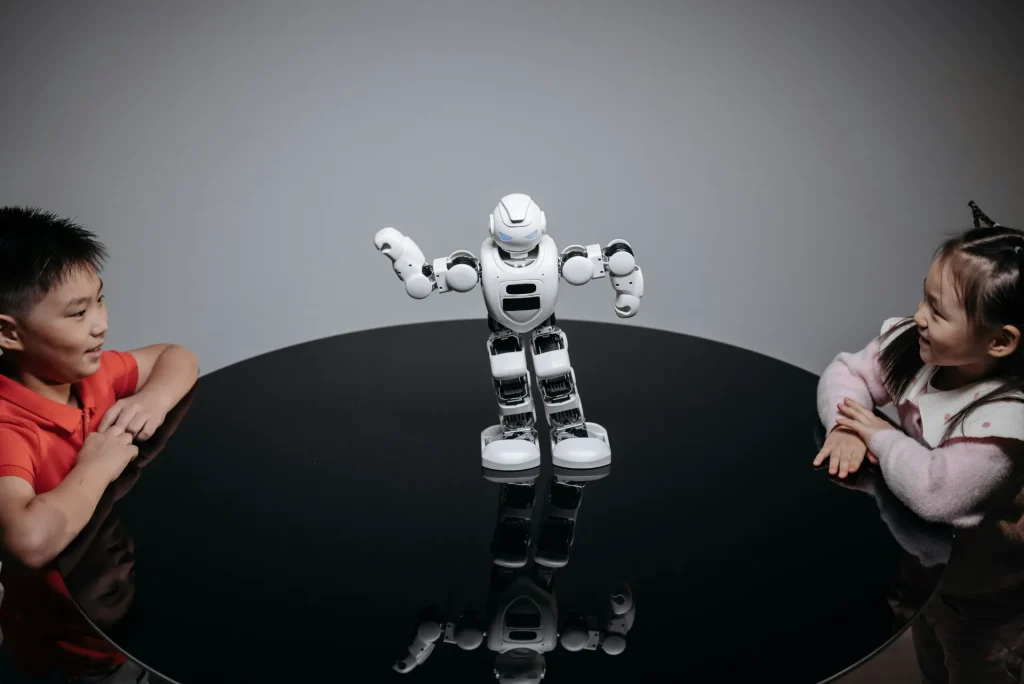
Students Should:
Utilize technology for learning purposes only
Effectively manage time spent on screens
Experiment with various learning materials
Effective Strategies
Blend traditional teaching approaches with technology-based ones
Establish concrete learning objectives
Foster active involvement in the learning process
Future Trends of Technology in Education
Smart Classrooms
Classrooms will transform into smart classrooms with:
- Interactive whiteboards
- Artificial intelligence
- Student performance analytics
Global Learning Experiences
Students will be able to learn from teachers and educational institutes all over the world from the comfort of their homes.
Lifelong Learning
Technology will facilitate lifelong learning, enabling people to keep upgrading themselves throughout their lives.
Increasing Use of AI
Artificial intelligence will revolutionize learning by providing personalized learning experiences to learners.
Technological Impact on Skill Development
Besides enhancing the traditional educational process, technology helps learners acquire useful and applicable skills that will help them in the future. In the current technologically advanced world, it is not enough to acquire academic information only. Learners are required to be able to think critically, communicate, and possess computer knowledge among other useful skills.
Technology helps learners develop several useful skills through diverse platforms. The most common one is acquiring technical skills such as coding, graphic designing, video editing, among others. These skills are very important in today’s job market because they give an opportunity for freelance work.
Skills Acquired Due to Technology
Digital literacy – knowledge of technological tools and platforms.
Problem-solving skills – using technology to solve issues quickly
Creative skills – ability to create content including videos, graphics, presentations.
Collaborative skills – ability to collaborate using technology platforms.
Technology also facilitates self-learning whereby a learner acquires skills from outside the syllabus taught in school. Thus, learning becomes individualized.

Conclusion
Technology has transformed the field of education, making it much easier and more beneficial. Despite problems like the digital divide and other issues, the advantages offered by technology have greatly overshadowed its disadvantages. Through proper use of technology, it is possible to improve the quality of learning.
With technology playing a bigger part in the education sector in the coming years, it is very important that we learn how to embrace these changes. Without doing this, you would find it difficult to survive in this competitive world.